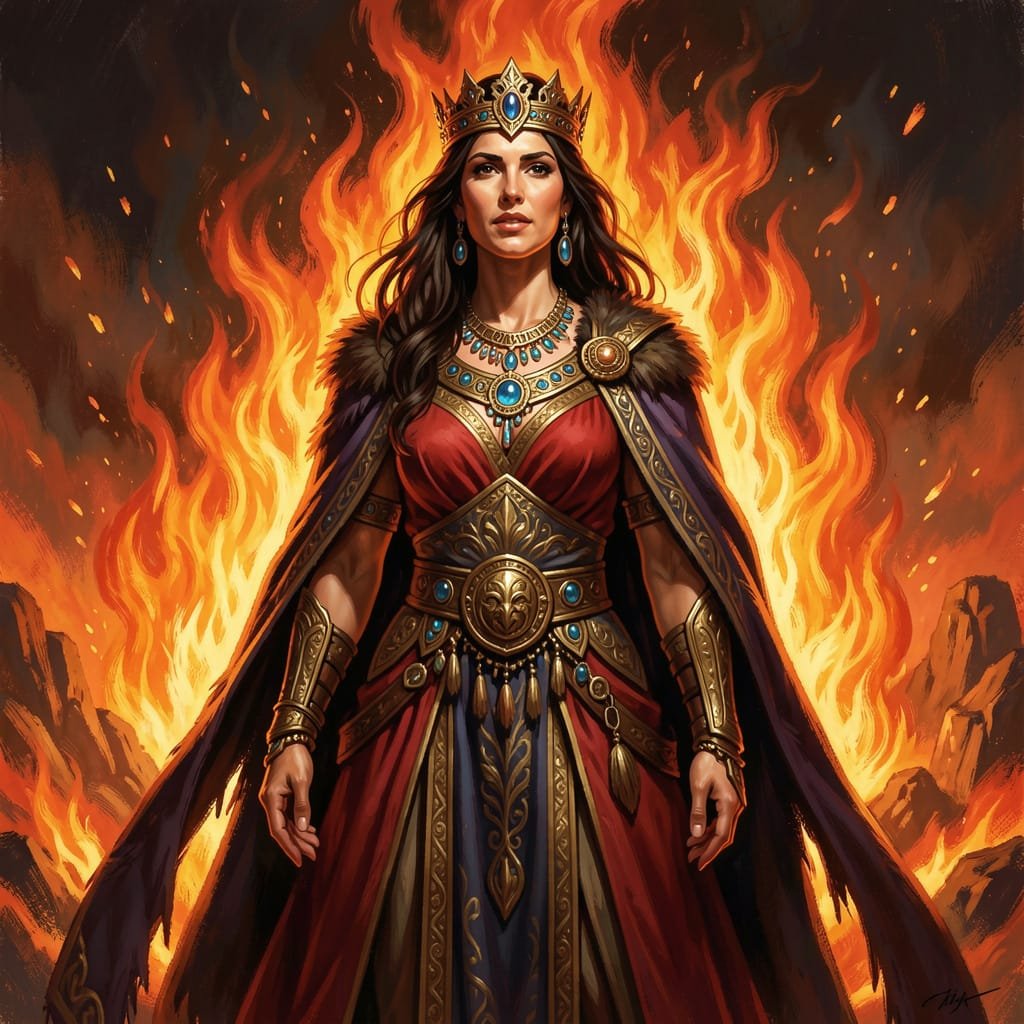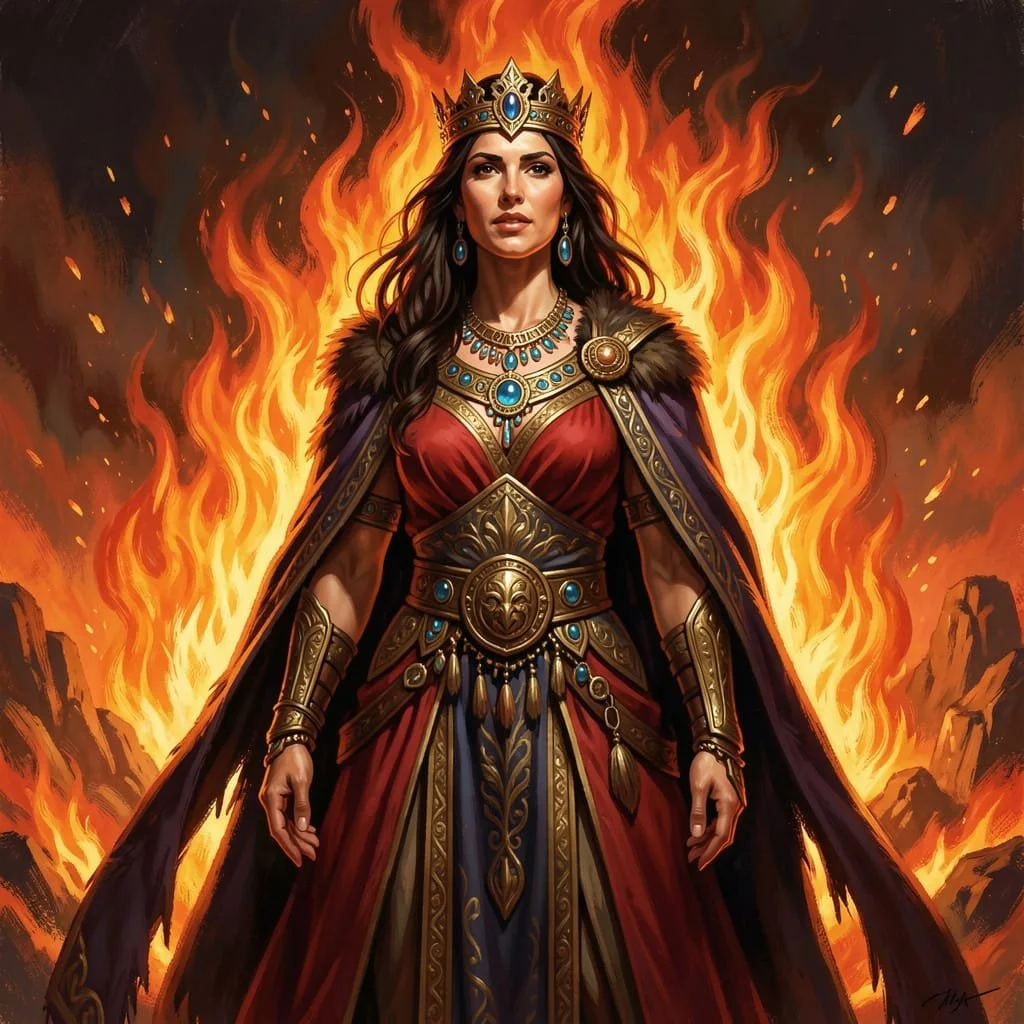
So much of Iron Age Britain exists in tantalising fragments. Hillforts without names are still scattered across our land, burials without stories, artefacts without owners. It's a period where the silence is as compelling as the evidence. Cartimandua is the perfect example of this silence: a queen who ruled vast lands from Yorkshire, yet history barely whispers her name. The idea that such influential people could be reduced to footnotes is both frustrating and fascinating. It invites us to reclaim them, to give them voice and agency again. It also gives us room to explore, interpret and imagine. For a Yorkshire lass, that connection is personal. I'm not just studying history; I'm walking through it.
The fragments of evidence we have for Iron Age Britain only deepen my fascination with how those Celtic Britons lived. What survives suggests a society far more intricate than is often imagined. It was shaped by layered hierarchies, the authority of Druids and communities that chose their leaders, then with great loyalty, followed them. We have rarely granted these early ancestors credit for the sophistication their world so clearly reflects. The few artefacts that have been uncovered only strengthen the evidence of their remarkable skill. It is visible in metalwork, jewellery, textiles, construction, agriculture and countless other crafts. They were skilled and intelligent people whose survival depended on enduring in a harsh and unforgiving landscape.
With the help of the sacred Druids, the kings and chieftains ruled over their own tribal lands and people. It was the job of the Druids to mark the seasons which shaped the rhythm of the year and the cycle of the earth. The Druids held unquestioned authority, their sacred training spanning about twenty years as they mastered law, ritual and oral knowledge. Some held positions in warfare tactics and carried the extra authority as Warrior Druids. When they spoke, the people listened. The final word did not belong necessarily to the tribal kings and chieftains. It belonged to the Druids.
To the Iron Age Britons, Druids were the keepers of the sacred order: those who carried the lore of the ancestors, interpreted the will of the gods and guided their people through both conflict and ceremony. They served as healers, ritual specialists, storytellers and performers, operating within a mobile, oral tradition that preserved law, lore and belief. The more I uncovered, the more my curiosity grew. I wanted Druids to have a place in my books. They could not be separated from this period in time. And so, I imagined my Druids: wise, kind, unafraid and disciplined priests visiting and living among the people.
And Iron Age gods: it seems that each region had its own deities. People believed their gods held sway over every aspect of life, from the success of the harvest, tides and rivers, to the outcome of important events. The deeper I researched, the more I was surprised. And there she was, right in the middle of my learning: Brigantia, goddess of Yorkshire and its neighbouring lands. Brigantia was more than a goddess; she represented the Brigantes' land, independence, pride and bond with nature, making her the spiritual heart of northern Celtic Britain. I felt a sudden thrill, as if I had stumbled upon a truth long hidden, now revealed in all its quiet power. Brigantia.
The more I looked into this period of our history, the more I realised how much has been overlooked. And now that the doorway has opened, I find I cannot close it again.