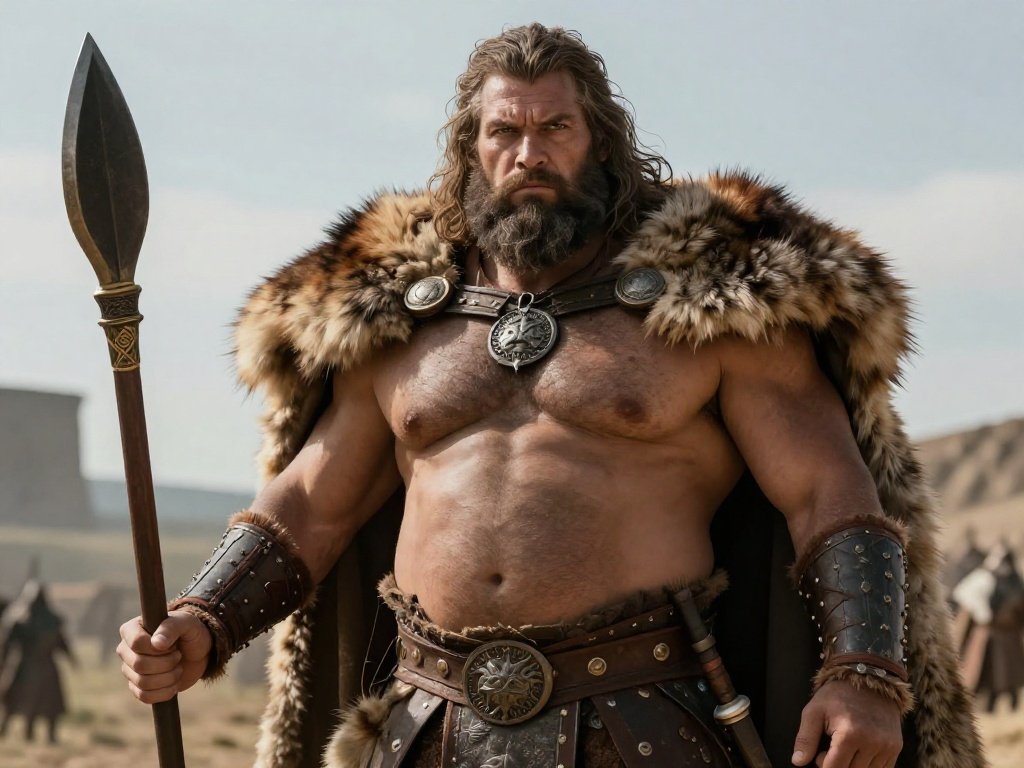
In the Cartimandua Trilogy, real and fictional characters sit side by side. The core story of Queen Cartimandua, the Brigantes she ruled and the lands under her authority is grounded in what we can reasonably accept as fact taken from our ancient historical record. I'm not an expert in Iron Age Britain and much of what is known comes from Roman writers in the first century, whose accounts are often partial and biased. But using what survives, I've tried to build a world that honours both the history and the imagination it inspires.
Bellnorix (Historical) — King of Brigantia and grandfather of Cartimandua. It is believed that Bellnorix was king of Brigantia and the grandfather of Cartimandua, though information about her parentage is hidden from us; therefore Cartimandua's genealogy in the books is fictitious.
Cartimandua (Historical) — Queen of Brigantia.
Venutius (Historical) — King of Carvetii. Her marriage to Venutius, king of Carvetii, is a fact. Venutius was a seasoned warrior and by marrying Cartimandua, Venutius became her consort king.
Vellocatus (Historical) — The second husband of Cartimandua.
Druids (Historical) — The religious and legal elite of Iron Age Celtic societies. Druids served as the religious and intellectual elite of Celtic society, conducting rituals and preserving sacred traditions. They acted as judges, lawmakers and advisers to rulers, holding authority over legal and political matters. They were also scholars and teachers, maintaining vast bodies of oral knowledge in astronomy, medicine, lore and philosophy. The Druids named in the trilogy are all from my imagination. Using them allowed me to weave the story into something more magical.
Caratacus (Historical) — Fugitive leader of the Catuvellauni; betrayed by Cartimandua; his capture changes her political fortunes.
Boudica (Historical, background) — Queen of the Iceni; her revolt affects Roman priorities and indirectly impacts Brigantia.
Pictish Tribes (Historical groups) — Northern threat that forms part of Cartimandua's treaty obligations.
Roman Emperors and Caesars (AD 43–70) (Historical)
The other characters in the trilogy are, for the most part, creations of my imagination. Some draw loose inspiration from early British legends, such as Beli Mawr, the sun-god figure, but they are not meant to represent historical individuals. My intention was to give the books the texture of life as it might have been in that shadowed, unwritten age and these fictional characters help make the world feel lived-in, human and emotionally true.
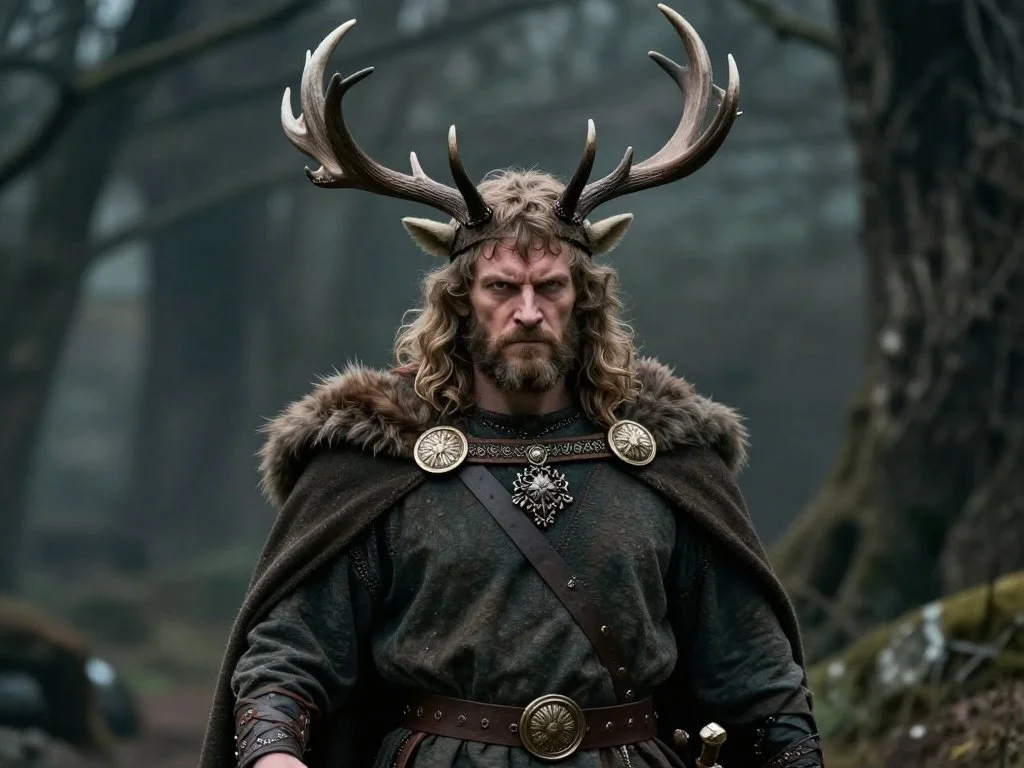
Venutius
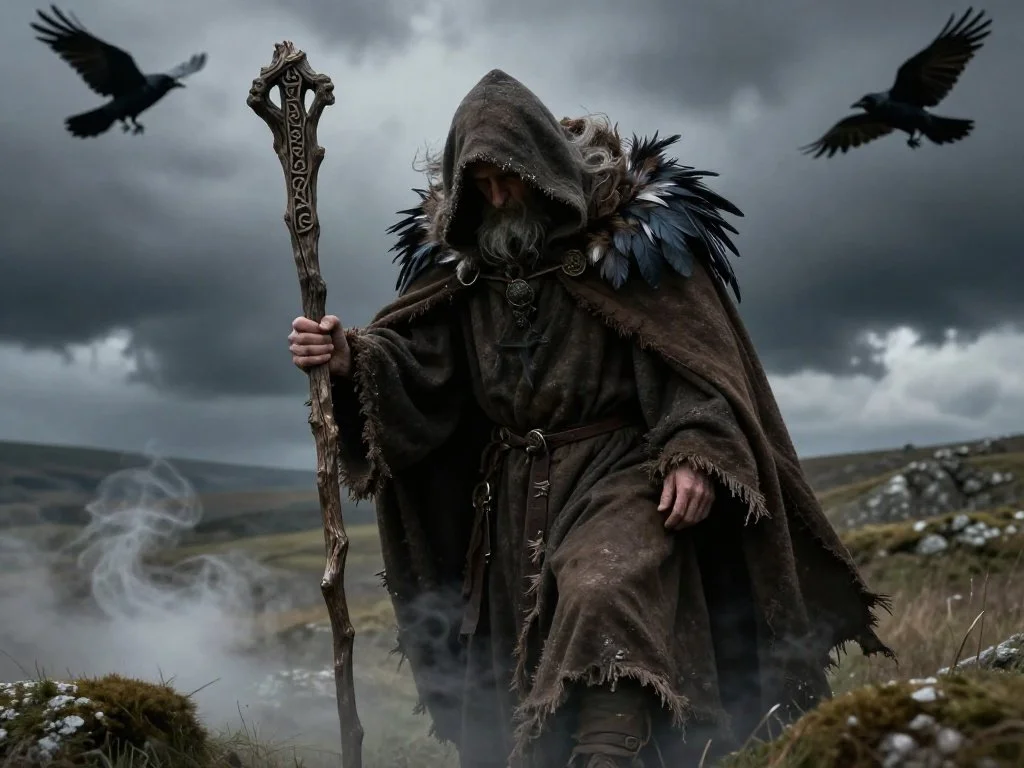
Mugh Ruith
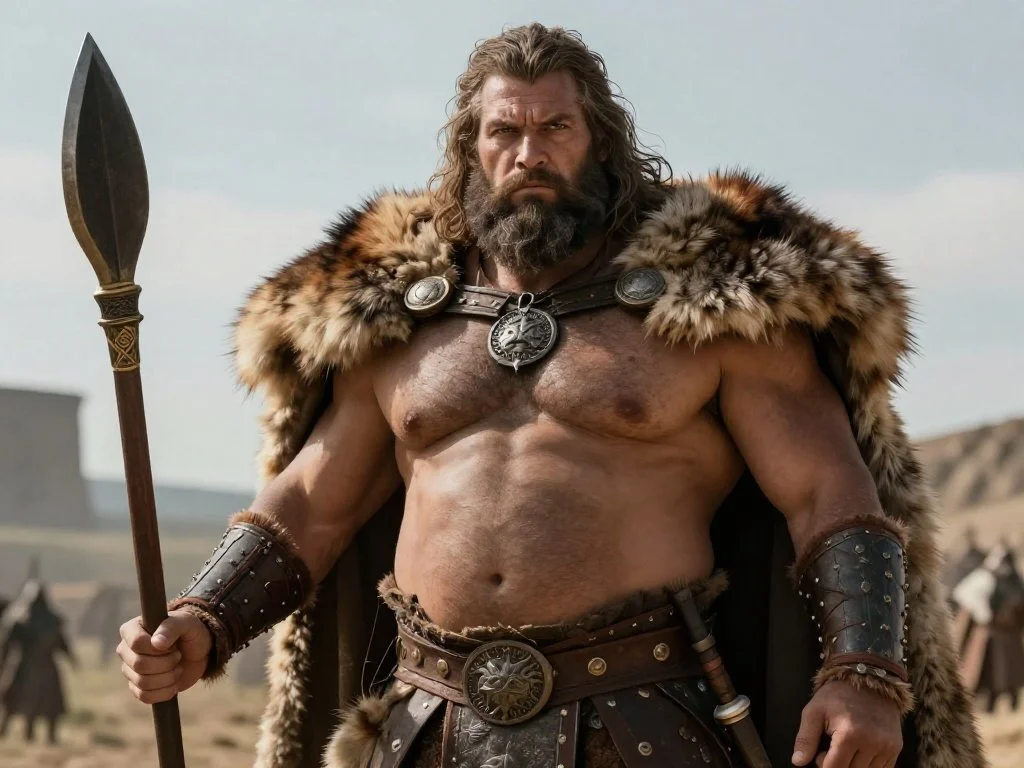
Bellnorix