I am learning that to write a story, and write with passion, means holding an idea in your head until you are living and breathing the narrative.
I set out at the age of seventy to see if I could write a story and complete it. Having written a few short stories which were well received, I wanted a challenge. I had promised myself years earlier that I would write a novel, giving it my best shot. It took until 2021 for me to take that promise and make it a reality.
My inspiration came from the work my daughter was doing at that time, linking ancient and traditional stories, and old myths that have travelled through time. She reached out to storytellers from all over the world, asking if they would share tales for a book that showed how oral traditions, no matter where you hear them, echo one another. I was fascinated by the idea that stories born oceans apart could still share a heartbeat.
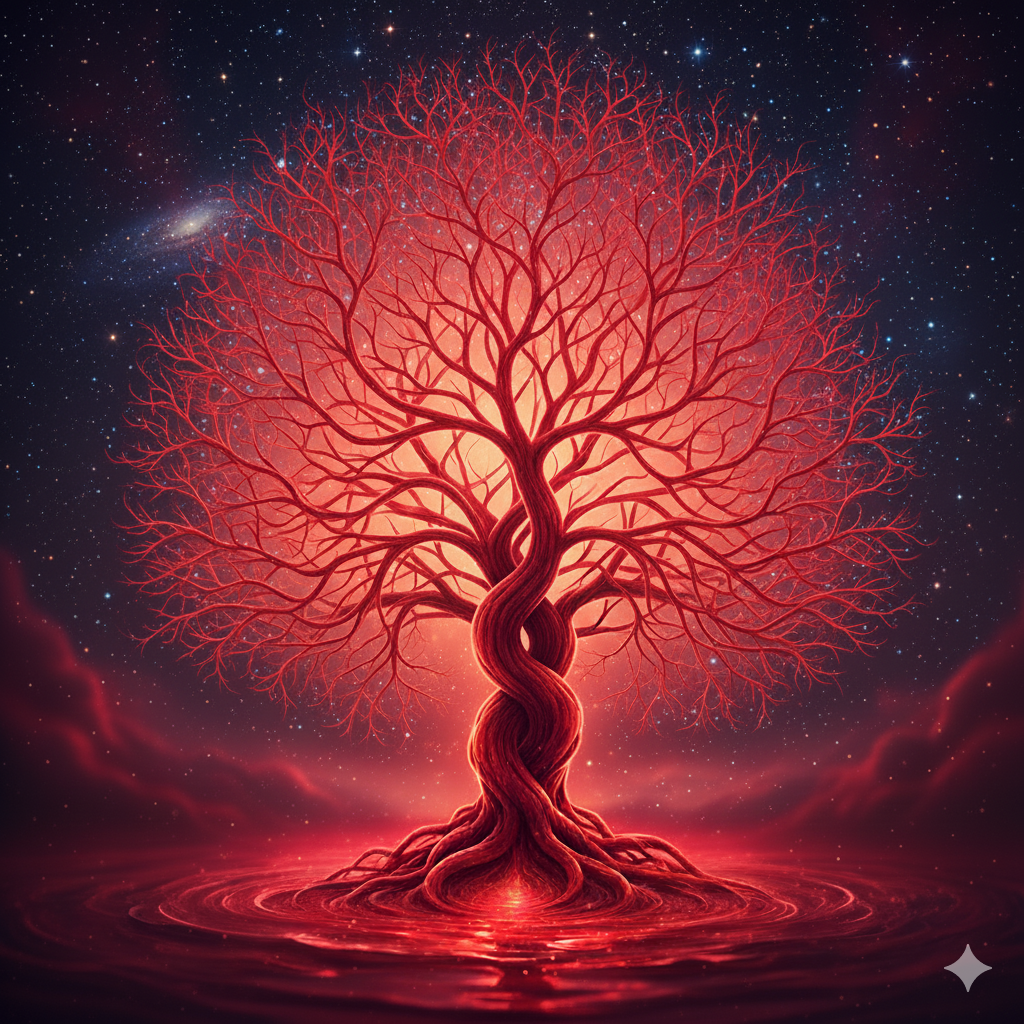
As I watched her gather these tales, I found myself drawn into that world of shared memory and ancient imagination. The artwork in the book stirred something in me, as though the images were whispering fragments of forgotten knowledge from a distant world. I felt compelled to write, to add my own voice to that long chain of storytellers. So I wrote a short story inspired by the artwork, and in doing so I realised how deeply these ancient threads still run through us. I was inspired by her work, by the stories, and by the sense that we are all part of something much older than ourselves.
The short story I produced became the beginning of Fires of Brigantia. I set it in a place I knew instinctively: Yorkshire, of course. At the time, I had no idea how deep the roots of that land truly ran. Queen Cartimandua appeared in the story almost by accident, a shadow at the edge of the narrative, and I didn't yet understand who she was.
With determination, I wrote. It wasn't a marvellous example of English prose, far from perfect, rough around the edges, but it was a beginning, and beginnings matter. To my surprise, the story was well received. Readers connected with it, even in its early, unpolished form. But what stayed with me most was the figure who had stepped out of the shadows of history and straight into my imagination: Queen Cartimandua.
I hadn't known her when I first put pen to paper. I hadn't known that Brigantia, my own Yorkshire, was once the largest tribe in all of Albion during the Iron Age. I didn't know that a single woman ruled over that vast land with a will as fierce as the northern winds. Yet there she was, rising from the past with a presence I couldn't ignore. A warrior queen, a strategist, a leader who fought for her people and her lands against the might of Rome. She was extraordinary, and she demanded to be written.
In meeting her, I realised I wasn't just telling a story. I was stepping into a lineage of women, land, and history that had been waiting beneath my feet all along. How to write of her magnificence, doing justice to her story, was no small challenge. I had not found my own style of writing at that point, and to begin an epic story from a novice position was not just arrogant of me, it was a kind of blind devotion. But I tried anyway, even when I realised I was not yet worthy of the task. Each book in the trilogy is written from a different point of view, and at the time I was experimenting with school-day grammar I'd long forgotten, and narrative techniques I barely understood. But each story taught me something new about writing, and I loved the learning. We are never too old to learn.
Some of you will understand how memory creaks with age. Trying to hold three separate stories in my head, and remember how I wanted them to weave together for the final novel, Blood of Brigantia, caused more than a few headaches, with lost sleep as the inevitable consequence. But Yorkshire grit is in my blood. Writing the books became almost an obsession. I refused to be defeated.
And all the while my friendship with Cartimandua grew. I think, and I hope, that connection helped me learn how to put a story together better now than when I first began. I gained some confidence in the doing. So much so that I began to wonder if I had finally found my voice. And the best way to find out was to challenge myself by writing something completely new. I see now that the Cartimandua Trilogy led me directly toward a new challenge and a new genre. The Black Funeral Hat is my first attempt and trial.
The completed Cartimandua Trilogy has left me with mixed feelings. There is a sense of loss. The work is finished, at least for now, and I'm not entirely sure I wanted it to end. I've grown to love the ritual of research and writing. There is also a sense of satisfaction. The trilogy began and ended with a Druid, and I hope readers feel that same completeness. And yes, there is a sense of regret, because I'm still thinking of things that could have been added, and seeing how I might have written some things better.
But above all, I know that life moves on. I hope that what I've written about the first Queen of Yorkshire, and the story I've tried to give her, might resonate in the hearts of all who read it. She should not be forgotten, but celebrated for the mighty queen she was. Cartimandua's legacy is one of strength, strategy, and survival, a woman who held power in a world that rarely allowed it, and whose influence shaped the land long before our time. It deserves to be remembered.